
Teaching Kids Social Skills: Helping Your Child Make Meaningful Friendships
Making friends is one of the most magical parts of childhood. It’s like planting tiny seeds of connection that grow into beautiful, lasting relationships. But sometimes, those seeds need a little extra care and attention to bloom. If you’ve ever found yourself wondering how to help your little one build meaningful friendships, you’re not alone. I’ve been there too, and I’m excited to share some warm, practical ways to nurture your child’s social skills and watch their friendships flourish.
Why Teaching Kids Social Skills Matters
Social skills are the gentle bridges that connect children to others. They help kids express themselves, understand feelings, and navigate the wonderful world of friendships. Teaching kids social skills early on is like giving them a treasure map to find and keep friends.
When children learn to share, listen, and show kindness, they build confidence. This confidence helps them approach others with a smile and an open heart. For example, simple phrases like “Can I play with you?” or “I like your drawing!” can open doors to new friendships. These skills don’t just help in playtime; they lay the foundation for emotional intelligence that lasts a lifetime.
Here are some easy ways to start teaching social skills:
Model kindness: Show your child how to greet others warmly.
Practice sharing: Use toys or snacks to teach taking turns.
Encourage empathy: Talk about feelings and why friends might feel happy or sad.
Role-play scenarios: Pretend to meet new friends or solve small disagreements.
By weaving these moments into everyday life, you’re helping your child build a social toolkit that will serve them well.

Fun Ways to Teach Kids Social Skills
Teaching social skills doesn’t have to be a chore. In fact, it can be a joyful adventure filled with games, stories, and laughter. Here are some playful ideas that make learning social skills feel like a natural part of your child’s day:
Storytime with a Twist
Choose books that highlight friendship and feelings. After reading, ask your child questions like, “How do you think the character felt?” or “What would you do if you were their friend?” This sparks empathy and understanding.
Playdates with Purpose
Organise small playdates where your child can practice sharing and cooperation. Guide them gently if conflicts arise, helping them find words to express their feelings.
Emotion Charades
Take turns acting out different emotions and guessing what they are. This game helps children recognise feelings in themselves and others.
Friendship Crafts
Create friendship bracelets or cards together. This hands-on activity encourages talking about what makes a good friend.
Sing Songs About Friendship
Music is a wonderful way to remember important lessons. Songs about kindness and sharing can stick in little minds like catchy tunes.
These activities are like little sparks that light up your child’s social world. They make learning feel like play, which is exactly how it should be!
What to do when your child can't make friends?
Sometimes, despite all the love and effort, your child might struggle to connect with others. It’s okay - every child moves at their own pace. If you notice your child having difficulty making friends, here are some gentle steps to support them:
Observe and Listen
Pay attention to what might be holding your child back. Are they shy? Do they find it hard to share? Understanding the root helps you know how to help.
Create Safe Social Spaces
Arrange small, calm environments where your child feels comfortable. Sometimes big groups can be overwhelming.
Teach Simple Social Scripts
Help your child learn easy phrases like “Hi, can I play?” or “Let’s build together.” Practising these at home can boost their confidence.
Celebrate Small Wins
Every smile, every shared toy, every kind word is a step forward. Celebrate these moments to encourage your child.
Seek Support if Needed
If your child continues to struggle, consider talking to a child development specialist. Sometimes extra guidance can make a big difference.
Remember, patience is key. Friendships are like delicate flowers - they need time, care, and the right conditions to grow.

How to Encourage Empathy and Kindness
Empathy is the heart of meaningful friendships. When children understand and care about others’ feelings, they build bonds that go beyond just playing together. Here’s how you can nurture empathy and kindness in your child:
Talk About Feelings Often
Use everyday moments to name emotions. “You look happy today!” or “I see you’re feeling upset.” This helps your child recognise and express their own feelings.
Use Irish Folklore and Stories
Stories from Irish folklore, filled with magical creatures and heartfelt lessons, can be a wonderful way to teach empathy. Characters often face challenges that require kindness and understanding.
Encourage Helping Behaviours
Praise your child when they help others, whether it’s sharing a toy or comforting a friend. Positive reinforcement makes kindness a habit.
Practice Perspective-Taking
Ask questions like, “How do you think your friend feels when you share your toy?” This helps your child step into someone else’s shoes.
Create a Kindness Jar
Every time your child shows kindness, add a token to the jar. When it’s full, celebrate with a special treat or activity.
By weaving empathy into daily life, you’re helping your child build friendships that are rich and meaningful.
Building Confidence Through Play and Exploration
Confidence is the secret ingredient that helps children reach out and make friends. When kids feel good about themselves, they’re more likely to approach others with curiosity and joy. Here’s how to boost your child’s confidence through play and exploration:
Encourage Independent Play
Give your child time to play alone and make choices. This builds self-trust and creativity.
Celebrate Effort, Not Just Success
Praise your child for trying new things, even if they don’t get it right the first time. This teaches resilience.
Explore New Environments Together
Visit parks, playgrounds, or community events where your child can meet new friends in a relaxed setting.
Join Group Activities
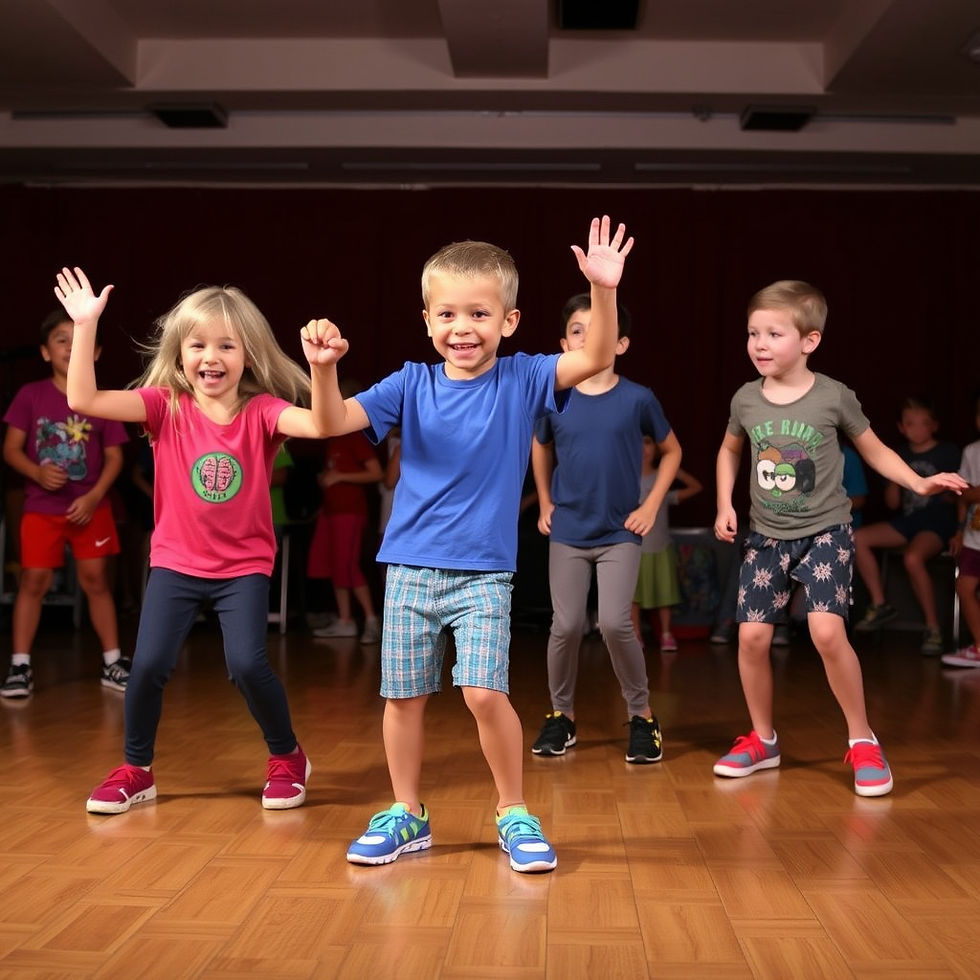
Classes like dance, art, or sports can be great places for your child to practice social skills and build friendships.
Use Positive Affirmations
Simple phrases like “You are kind,” “You are brave,” and “You are a good friend” can boost your child’s self-esteem.
Remember, every step your child takes outside their comfort zone is a victory. Celebrate these moments and watch their confidence soar.
If you ever find yourself searching for ways to help my child make friends, remember that patience, love, and gentle guidance are your best tools.
Creating a Supportive Environment at Home
The home is the first classroom for social learning. Creating a warm, supportive environment helps your child feel safe to express themselves and practice new skills. Here’s how to make your home a friendship-friendly zone:
Set a Routine
Predictable routines give children a sense of security, making it easier for them to focus on social interactions.
Encourage Family Time
Regular family meals, game nights, or storytelling sessions build communication skills and emotional bonds.
Limit Screen Time
Encourage face-to-face play and conversations instead of screen time, which can sometimes hinder social development.
Be a Role Model
Show kindness and respect in your interactions with others. Children learn a lot by watching.
Celebrate Diversity
Teach your child to appreciate differences in others, whether it’s culture, language, or interests.
By nurturing a loving and respectful home, you’re giving your child the best foundation for meaningful friendships.
Friendships are the colourful threads that weave through childhood, creating a tapestry of joy, learning, and love. With a little guidance and a lot of heart, we can help our children grow into kind, confident friends who cherish the magic of connection. Let’s keep planting those seeds together!


Comments